
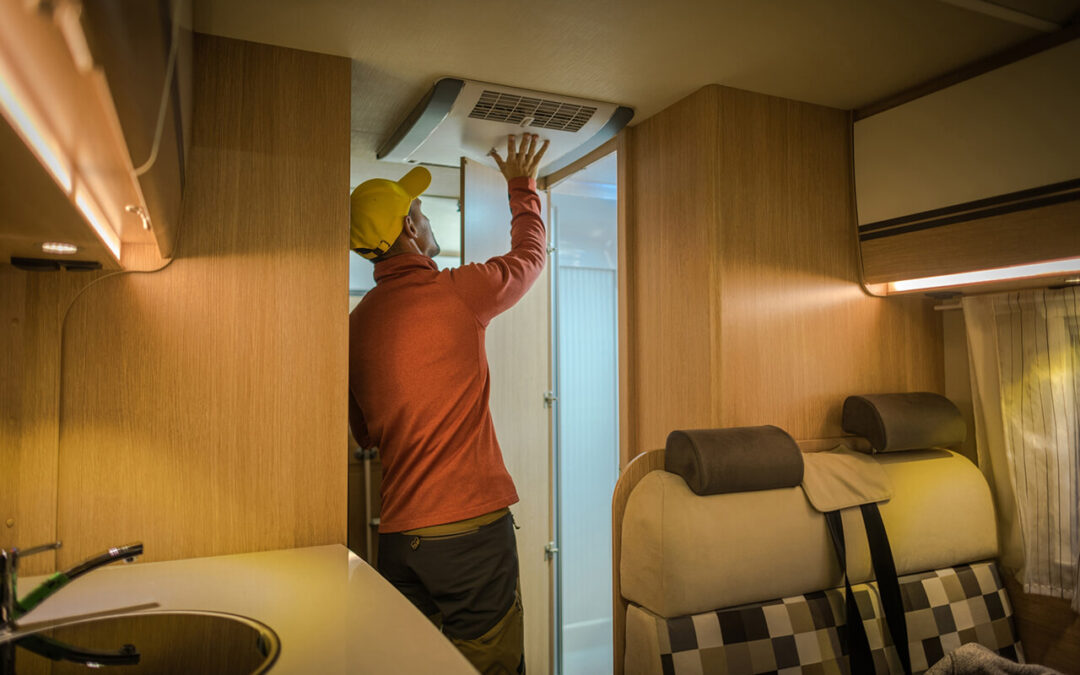
Few things derail an RV trip faster than a sweltering interior on a hot summer day. Keeping your RV cool is one of the most common challenges travelers face during warm-weather travel, and it requires more than just cranking up the air conditioning. A combination of smart habits, the right equipment, and a little advance planning goes a long way toward maintaining a comfortable living space, no matter how high the temperature climbs.
Choose Your Campsite Strategically
Where you park has a direct impact on how hard your cooling systems have to work. Shaded sites under mature trees can reduce interior temperatures significantly compared to open, sun-exposed spots. When shade isn’t available, positioning your RV so that the smallest surface area faces direct afternoon sun limits how much heat the vehicle absorbs throughout the day. Arriving early gives you the best shot at securing a favorable site before other campers claim them.
Use Window Coverings and Ventilation Together
Reflective window coverings and insulated shades block a surprising amount of solar heat from entering through the glass. Used in combination with roof vents and fans, they create a more effective cooling system than either approach alone. Roof vent fans are particularly valuable; they exhaust hot air that naturally rises and accumulates near the ceiling, pulling cooler air in through lower windows and creating steady airflow throughout the rig. Running fans during the cooler hours of morning and evening to flush out built-up heat makes the rest of the day more manageable.
Keeping Your RV Cool Without Overloading Your Electrical System
Air conditioning is the most effective tool for keeping your RV cool, but it draws significant power and running it continuously can strain your electrical system, especially if you’re relying on a generator or solar setup. Being strategic about when you run the AC makes a real difference. Pre-cooling your RV during the cooler morning hours, then sealing it up before temperatures peak, helps maintain a comfortable interior without running the unit at maximum capacity all day. If you’re at a full-hookup site, you have more flexibility, but monitoring your power draw is still a good habit.
Minimize Internal Heat Sources
Cooking inside adds heat and humidity to an already warm space. Grilling outdoors, using a camp stove outside, or opting for no-cook meals during the hottest stretches of the day keeps interior temperatures lower without any additional effort. Appliances like televisions, laptops, and microwaves also generate heat when in use, being mindful of how many are running simultaneously helps reduce the thermal load your cooling system has to manage.
Keeping Your RV Cool Starts Before You Leave Home
Inspecting your RV’s insulation, roof seals, and window seals before a summer trip pays dividends on the road. Gaps and deteriorating seals allow hot outside air to seep in and cooled interior air to escape, making every cooling method less effective. A well-sealed, well-insulated RV is simply easier and cheaper to keep comfortable, and catching any issues at home is far less stressful than dealing with them at a campground in the middle of a heat wave. With the right approach, a cool and comfortable RV interior is achievable even on the hottest summer days.
Semper Fi RV provides RV Inspections and RV services across Northern Utah. To schedule an RV inspection or other RV services, contact us.