
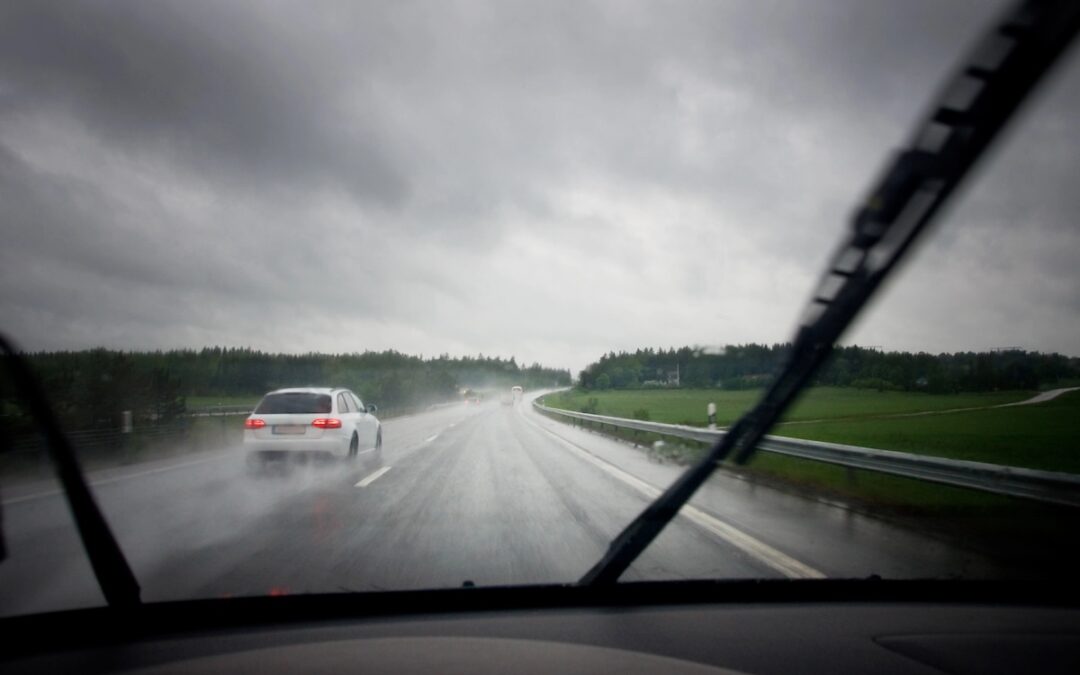
Traveling in the rain is an inevitable part of life on the road, and how you handle it makes all the difference between a stressful day behind the wheel and a manageable one. Rain doesn’t have to mean canceling plans or white-knuckling it down the highway; it just requires a different level of preparation, awareness, and patience than fair-weather driving. RVers who’ve logged serious miles know that some of the most memorable trips happen in less-than-perfect conditions, and that being ready for rain is simply part of being a capable traveler.
Preparing Your Rig Before Traveling in the Rain
The best time to prepare for rain is before it starts. Inspect your rig’s roof seams, vent seals, and slide-out weather stripping at the beginning of each season and before extended travel through wet climates. Water intrusion that seems minor becomes a significant problem when you’re traveling through days of steady rain. Catching and sealing these vulnerabilities in dry conditions is far easier than dealing with a wet interior mid-trip. Check your windshield wipers before any trip where rain is in the forecast. RV windshields are large, and the wipers cover significant visual real estate. Worn or streaking wipers that would be a minor annoyance in a passenger car create a genuine visibility hazard at the wheel of a large rig. Replace them at the first sign of degraded performance.
Driving Techniques for Traveling in the Rain
Traveling in the rain requires a fundamentally different driving approach than dry conditions, one that prioritizes margin, visibility, and response time over efficiency and pace. The single most important adjustment is speed: reduce it meaningfully below the posted limit, not just slightly. A loaded RV carries significant momentum, and stopping distances increase dramatically on wet pavement. Giving yourself more space to respond isn’t timid driving; it’s experienced driving. Increase following distance to at least twice what you’d maintain in dry conditions, more if the rain is heavy or visibility is reduced. Hydroplaning is a real risk for any vehicle in standing water, and a large RV’s reaction to sudden loss of traction is much less forgiving than a passenger car. Avoid sudden lane changes, abrupt braking, and sharp steering inputs. Smooth, gradual inputs in every direction are the foundation of safe wet-weather driving.
The Importance of Knowing When to Pull Over
Knowing when to stop is as important as knowing how to drive in the rain. Heavy downpours that reduce visibility to the point where you can’t clearly see the lane markings or vehicles ahead warrant pulling off safely and fully off the roadway until conditions improve. A rest area, a truck stop, or a wide shoulder with hazard lights on is always a better choice than pushing through conditions that exceed your visibility or control. If you’re planning to set up camp in the rain, take a few minutes to assess the site before committing. Low-lying areas that appear fine in dry conditions can flood or become dangerously muddy in heavy rain. If the site feels questionable, trust that instinct and find higher, firmer ground. Traveling in the rain is manageable; being stuck in a flooded campsite is not.
Semper Fi RV provides RV Inspections and RV services across Northern Utah. To schedule an RV inspection or other RV services, contact us.