
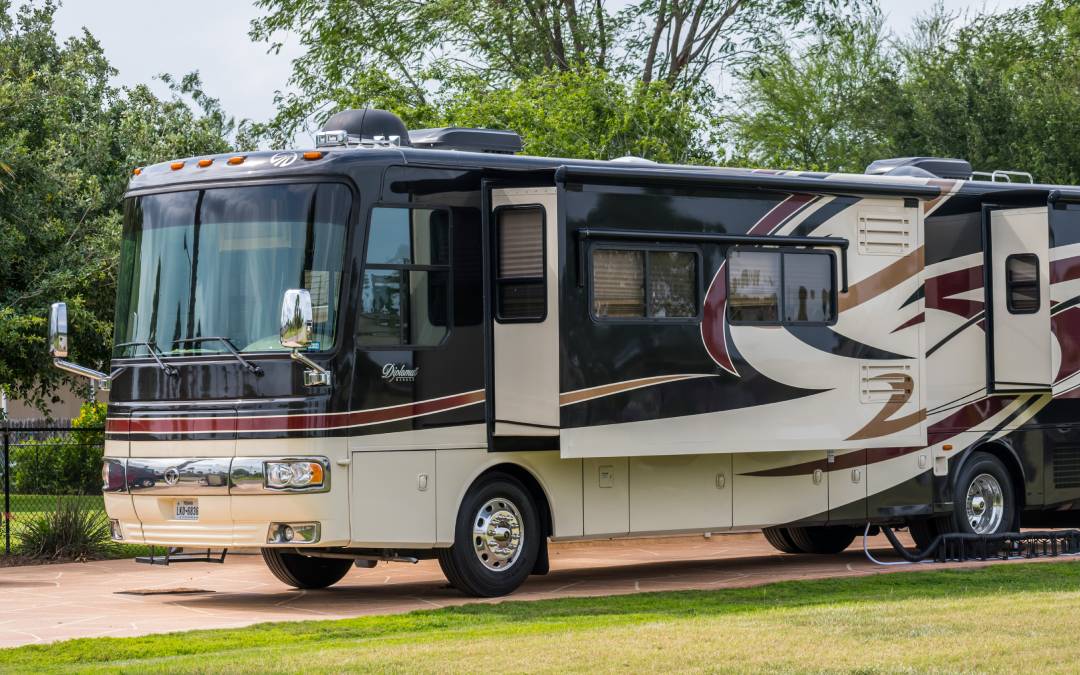
Hitting the open road in an RV promises freedom, flexibility, and unforgettable memories, but safety should always ride shotgun. A reliable RV safety checklist is the key to ensuring every journey starts and ends without unwanted surprises. Whether preparing for a weekend getaway or a cross-country expedition, taking the time to review essential safety measures can make all the difference.
Why Every RVer Needs an RV Safety Checklist
An RV combines the complexity of a home with the mobility of a vehicle, which means there’s more that can go wrong if precautions aren’t taken. A well-thought-out RV safety checklist helps prevent mechanical issues, reduces risks on the road, and ensures all onboard systems function properly. From tire pressure to propane connections, small checks can prevent big problems. Consistency is what turns a simple checklist into a powerful safety habit.
Inspecting the Exterior Before You Go
The first step in any RV safety checklist begins outside. A thorough walkaround inspection should include checking tire condition, ensuring proper inflation, and looking for cracks or wear. Lug nuts should be tight, and wheel wells should be clear of debris. Lights, including brake lights and turn signals, must be functioning correctly to communicate safely with other drivers. It’s also important to confirm that storage compartments are securely latched and that awnings are properly stowed before departure.
Interior Safety Checks That Matter
Inside the RV, safety is just as important. A dependable RV safety checklist includes testing smoke detectors, carbon monoxide alarms, and fire extinguishers. Appliances should be secured, and cabinet doors properly latched to prevent movement while driving. Loose items could quickly become hazards on the road, so ensuring everything is stowed safely is crucial. Additionally, checking that emergency exits are accessible and functional provides peace of mind in case of unexpected situations.
Engine and Mechanical Readiness
No safety checklist is complete without assessing the vehicle’s mechanical health. Checking engine oil, coolant levels, brake fluid, and transmission fluid helps avoid breakdowns. Belts and hoses should be inspected for wear, and the battery should be fully charged with clean connections. Listening for unusual noises during startup may also provide early warning signs of potential issues. Preventative maintenance plays a major role in ensuring a smooth and safe journey.
Hitching and Towing Safety Essentials
For those towing a trailer or vehicle, a proper hitch setup is critical. A comprehensive RV safety checklist includes verifying that the hitch is secure, safety chains are correctly attached, and electrical connections are working. Brake systems for towed units should be tested, and mirrors adjusted to provide clear visibility. Overlooking towing safety could lead to dangerous situations, so double-checking these components is always worth the effort.
Final RV Safety Checklist Before Departure
Before hitting the road, a final review of the RV safety checklist ensures nothing has been missed. Doors and windows should be locked, steps retracted, and antennas lowered. GPS routes should be confirmed to avoid low clearances or restricted roads. Taking a few extra minutes for this last check could prevent delays and enhance overall confidence on the road.
A consistent RV safety checklist transforms preparation into routine, allowing RVers to focus on the joy of travel rather than worrying about what might go wrong. With the right approach, every journey becomes safer, smoother, and far more enjoyable.
Semper Fi RV provides RV Inspections and RV services across Northern Utah. To schedule an RV inspection or other RV services, contact us.