
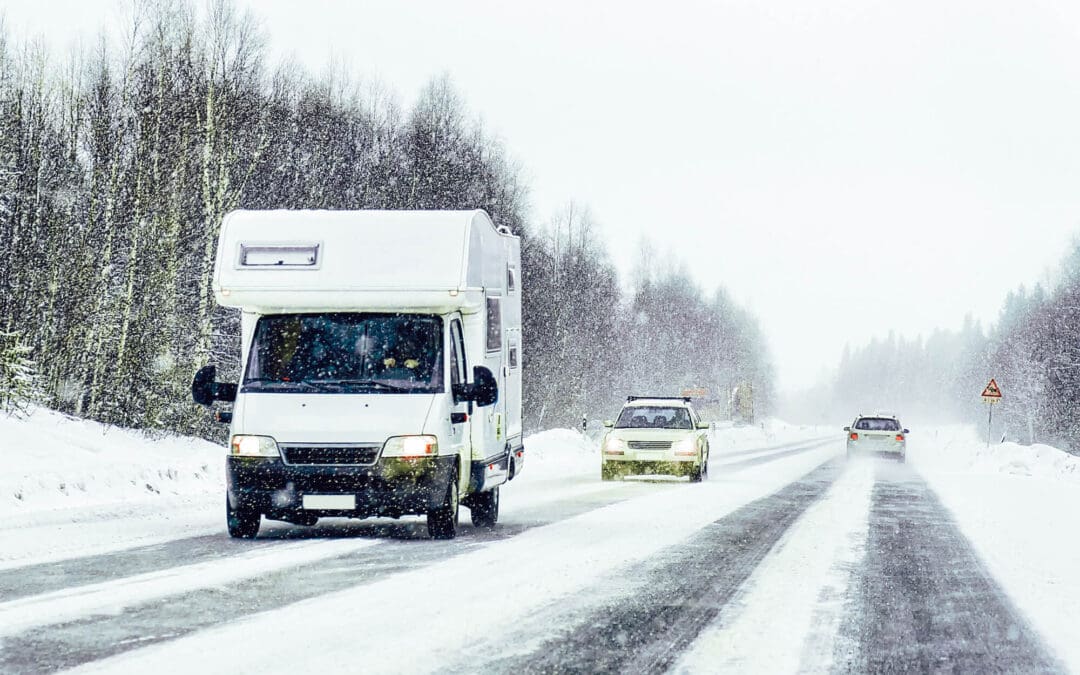
When temperatures drop, knowing how to stay warm in your RV will make the difference between an enjoyable adventure and a miserable experience. Cold-weather RVing does not have to mean sacrificing comfort. With the right preparation and a few smart habits, it is entirely possible to keep your RV cozy, efficient, and safe throughout the winter months. Whether parked for the season or traveling through chilly climates, staying warm in your RV starts with understanding how heat is retained and lost.
Why Staying Warm in Your RV Requires Planning
RVs are not built like traditional homes, which makes them more susceptible to heat loss. Thinner walls, slide-outs, and exposed underbellies allow cold air to creep in quickly. As a result, planning ahead is crucial. Sealing small gaps, managing airflow, and understanding your heating systems all play a role in maintaining a comfortable interior temperature. Those who plan early often use less energy and experience fewer mechanical issues during cold-weather trips.
Stay Warm in Your RV by Improving Insulation
One of the most effective ways to stay warm in your RV is by improving insulation wherever possible. Windows are a significant source of heat loss, especially single-pane RV windows. Thermal curtains, reflective insulation panels, or removable window coverings help retain warmth inside. Slide-outs also benefit from insulation inserts or rugs placed along the edges. Even adding rugs or foam mats to the floor will significantly reduce cold coming up from below, making the living space noticeably warmer.
Managing Heating Systems
Your RV’s furnace is designed to heat the interior evenly, but it can be fuel-intensive. Supplemental electric heaters will help reduce furnace usage when shore power is available. It is important to use heaters designed for RVs and to operate them safely with adequate ventilation and clearance. Heat pumps, if equipped, are effective in mild cold but may struggle in freezing temperatures. Understanding the strengths and limits of each heating option allows RVers to balance comfort and efficiency.
Managing Moisture While You Travel
As you stay warm in your RV, managing moisture becomes just as important as maintaining heat. Cold weather combined with indoor heating could cause condensation on windows, walls, and ceilings. Excess moisture may lead to mold, mildew, and discomfort. Using roof vent fans briefly, even in winter, helps circulate air and reduce humidity. A small dehumidifier will also make a noticeable difference, improving air quality while keeping the interior feeling warmer.
Skirting and Underbelly Protection
Heat loss often occurs from beneath the RV. Adding skirting around the base helps block cold winds and traps warmer air underneath. This not only keeps interior floors warmer but also protects plumbing and tanks from freezing. Heated water hoses and insulated connections further reduce cold-related risks. Underbelly protection plays a crucial role in overall temperature control, helping to prevent costly repairs during winter travel.
Smart Habits That Help You Stay Warm in Your RV
Daily habits have a surprising impact on warmth. Cooking inside generates heat, while opening cabinet doors allows warm air to circulate around plumbing lines. Closing off unused areas helps concentrate heat where it is needed most. Layered clothing and warm bedding also reduce reliance on heating systems, allowing for more efficient energy use. These minor adjustments add up, making it easier to stay warm in your RV without overworking your equipment.
Staying comfortable in cold weather is not about a single solution. It is about combining insulation, wise heating choices, moisture control, and thoughtful daily habits. With the right approach, it is entirely possible to stay warm in your RV and enjoy winter travel with confidence, comfort, and peace of mind.
Semper Fi RV provides RV Inspections and RV services across Northern Utah. To schedule an RV inspection or other RV services, contact us.