
Most RV owners spend considerable time thinking about where they’re going and considerably less time thinking about the RV safety features working in the background to keep them safe on the road. Modern RVs come equipped with a range of built-in safety systems that address the specific risks of life on the road: fire, carbon monoxide, propane leaks, and the tire failures that can turn a highway trip into an emergency. Knowing what those features are, where they’re located, and how to verify that they’re functioning is the knowledge that makes the difference between a safety system that works and one that’s present but non-operational.
The Detector Systems That Are Central to RV Safety Features
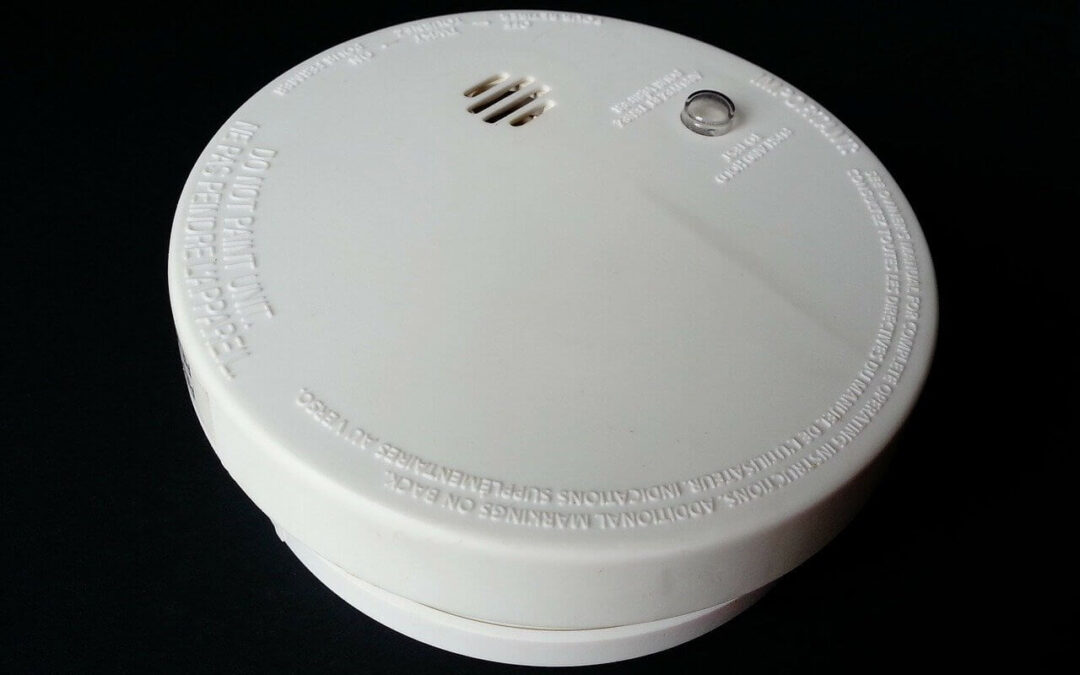
The most critical RV safety features in any unit are the detector systems: the smoke alarm, the carbon monoxide detector, and the propane or LP gas detector. These three devices address the three most acute life-safety risks specific to RV living: fire from cooking or heating appliances, carbon monoxide from fuel-burning equipment in a sealed space, and propane leaks from the system that powers the cooktop, furnace, water heater, and refrigerator in most non-electric RVs. The LP gas detector is typically positioned low in the RV, near the floor, because propane is heavier than air and settles downward when it leaks. Testing each detector monthly by pressing the test button and replacing them within the manufacturer’s recommended service period are the two habits that ensure these features function when needed most.
Tire and Brake RV Safety Features
Tire failure is one of the leading causes of serious RV accidents, tire pressure monitoring systems (TPMS) are the built-in RV safety feature that addresses it proactively. A TPMS monitors the pressure in each tire in real time and alerts the driver when a tire is significantly under-inflated or has experienced sudden pressure loss, the conditions that precede a blowout. Many newer RVs include TPMS as a factory-installed feature; older units can be retrofitted with aftermarket systems that provide the same monitoring capability. The braking systems in larger RVs and towed trailers are RV safety features that deserve periodic professional inspection rather than assumption. Trailer brake controllers should be tested at the beginning of every towing season and adjusted for the trailer’s loaded weight.
Emergency Exits and Fire Suppression Features
Emergency egress windows are designed to be pushed out from inside to create an exit path when a door is blocked. Locating every emergency exit in the unit, confirming that each one operates as designed, and making sure every occupant knows where they are and how to use them transforms a feature into a plan. A portable fire extinguisher rated for Class B and C fires, the classes covering grease and electrical fires, the two most common RV fire types, should be mounted accessibly near the cooking area and inspected annually to confirm the gauge reads in the operational range. This provides the window of response time between a small fire and an uncontrollable one.
Semper Fi RV provides RV Inspections and RV services across Northern Utah. To schedule an RV inspection or other RV services, contact us.